Understanding 3D Dinosaur Designs: A Practical Guide for Creative Projects
In the realm of digital crafting and graphic design, the distinction between flat illustrations and depth-rich imagery is often the deciding factor in a project's success. The term 3D Dinosaur has emerged as a significant keyword for creators seeking to add dimension, texture, and visual weight to their work. Unlike traditional vector line art or simple raster images, a 3D Dinosaur design utilizes lighting, shading, and perspective to simulate physical presence. This article explores what makes this style distinct, how it compares to other available resources, and when it is the most appropriate choice for your creative endeavors.
Defining the 3D Dinosaur Aesthetic
When evaluating digital assets, understanding the technical composition is crucial. A 3D Dinosaur asset is not merely a drawing of a prehistoric creature; it is a rendering that mimics three-dimensional space on a two-dimensional plane. These designs are characterized by realistic textures, such as scaly skin or feathered details, and dynamic lighting that creates shadows and highlights. This depth allows the subject to "pop" from the background, creating an immediate focal point.
The utility of these high-resolution files extends far beyond simple decoration. Because they are rendered with complex surface details, they translate exceptionally well into physical media. Whether you are planning a sublimation transfer for apparel, designing a custom invitation, or preparing materials for scrapbooking, the fidelity of a 3D Dinosaur image ensures that the final printed product retains its impact. The difference is most noticeable when scaling up; while flat graphics may appear pixelated or hollow at large sizes, 3D renders maintain their structural integrity and visual richness.
Comparing Formats: PNG, JPG, and Vector Alternatives
One of the primary considerations for any designer is file format compatibility. Most professional 3D Dinosaur resources are distributed in both PNG and JPG formats. Understanding the tradeoffs between these formats is essential for workflow efficiency.
- PNG (Portable Network Graphics): This format supports transparency, which is critical for overlaying a dinosaur illustration onto various backgrounds without unsightly white boxes. For projects like greeting cards or party decor where the background color changes frequently, PNG is the superior choice. It preserves the crisp edges of the 3D render.
- JPG (Joint Photographic Experts Group): While JPGs do not support transparency, they offer smaller file sizes due to compression. They are ideal for web previews or situations where the image will be placed on a solid, opaque background. However, repeated saving can degrade quality, so using the original high-resolution source is recommended.
- Vector Formats: Some alternatives to raster-based 3D designs include vector files (SVG, EPS). Vectors are infinitely scalable but lack the photorealistic texture of a 3D render. If your project requires a stylized, cartoonish look rather than realism, a vector might be more suitable. However, for achieving the specific depth and lighting effects associated with a 3D Dinosaur, raster formats at high resolution remain the industry standard.
Evaluating Resolution and Print Quality
The technical specifications of a digital asset dictate its practical application. A defining feature of premium 3D Dinosaur designs is the resolution, typically standardized at 300 DPI (dots per inch) for print-ready use. This specification is non-negotiable for high-quality output. Lower resolution images, often found in free or stock libraries, may suffice for screen display but will result in blurry, jagged edges when printed.
Consider the dimensions: a standard size of 12 x 12 inches (30.5 x 30.5 cm) is widely adopted in the crafting community. This square format aligns perfectly with standard scrapbook paper, cardstock, and many sublimation blanks. When you combine 300 DPI with these dimensions, you ensure that every scale on the dinosaur's skin and every shadow is rendered with precision. This level of detail is particularly important for sublimation, where the ink is transferred into the material itself. Any loss in resolution becomes permanent once the heat press is applied.
In contrast, web-optimized images often sit at 72 DPI. While acceptable for social media posts or blog headers, using a 72 DPI 3D Dinosaur image for a large banner or a detailed invitation would be a strategic error. The decision matrix here is straightforward: if the end goal involves physical printing, the 300 DPI standard is the minimum requirement for professional results.
Seamless Patterns vs. Single Subject Illustrations
Another critical comparison lies between single-subject 3D Dinosaur illustrations and seamless pattern designs. While a single, high-detail dinosaur is perfect for a central logo or a hero image on an invitation, a seamless pattern offers different advantages.
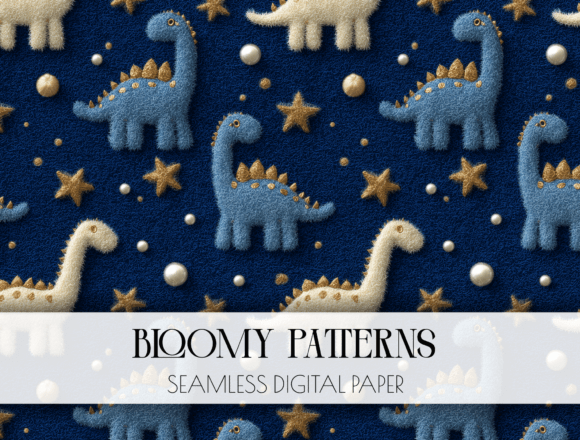
A seamless design allows the image to stack both vertically and horizontally without visible edges. This capability transforms a single element into a continuous background. For instance, if you are creating wrapping paper, fabric prints, or a textured background for a digital planner, a seamless 3D Dinosaur pattern provides consistency across the entire surface. The ability to tile the image means you can cover large areas—such as a full yard of fabric for a quilt or a roll of wallpaper—without the repetitive, obvious breaks that occur with lower-quality patterns.
However, there are tradeoffs. Seamless patterns often require the subject to be slightly less dominant to allow for tiling, whereas a single 3D Dinosaur illustration can be maximized for dramatic effect. Your choice depends on the project scope:
- For Focal Points: Choose the single, high-resolution 3D Dinosaur image for invitations, stickers, or merchandise where the dinosaur is the main attraction.
- For Backgrounds and Textures: Opt for the seamless version when the dinosaur motif needs to support other elements, such as text or photos, in scrapbooking or party decor.
Practical Applications and Decision Factors
When determining whether a 3D Dinosaur resource fits your specific needs, consider the nature of your project and the tools you intend to use. These assets are versatile, but they shine brightest in specific contexts.
Sublimation and Custom Prints: The high resolution and vibrant color profiles of 3D Dinosaur designs make them ideal for sublimation. Whether printing on mugs, t-shirts, or phone cases, the depth of the image ensures that the colors do not fade or look washed out after the heat transfer process. The 12x12 inch size covers most standard blank items, reducing the need for complex resizing.
Scrapbooking and Card Making: For paper crafts, the ability to print at 300 DPI ensures that the cutouts are clean and sharp. The realistic textures of the 3D design add a tactile feel to the finished page, elevating it above standard clip art. Furthermore, the availability of both PNG and JPG formats gives crafters flexibility; they can use PNGs for layering over photos and JPGs for full-page backgrounds.
Digital Planning and Invitations: In the digital realm, these files serve as high-impact headers or decorative elements. The "magical" quality of the design, achieved through advanced rendering techniques, captures attention immediately. This is particularly effective for themed parties, educational materials, or children's events where engagement is key.
Limitations and Alternative Approaches
While 3D Dinosaur designs offer significant benefits, they are not a universal solution. One limitation is file size; high-resolution 300 DPI images are larger than standard web graphics, which can slow down upload times or consume more storage space. Additionally, the realistic style may not fit every aesthetic. If a project requires a minimalist, flat-design approach, a heavy 3D render might feel out of place.
In scenarios where speed and simplicity are prioritized over photorealism, simpler vector icons or flat illustrations might be more efficient. Similarly, if the budget is extremely tight, free stock images might be considered, though they rarely match the specific resolution and licensing clarity of dedicated creative packs. Ultimately, the decision rests on balancing the desired visual impact against the technical constraints of the project.
Conclusion: Making an Informed Choice
Selecting the right digital asset is about aligning the technical specifications with the creative vision. A 3D Dinosaur design, offered in high-resolution PNG and JPG formats at 300 DPI, represents a robust option for professionals and hobbyists alike who demand quality. Its versatility in supporting both single-subject focus and seamless tiling makes it a valuable addition to any creative toolkit.
By understanding the nuances of resolution, format, and style, you can confidently determine when this type of resource is the right fit. Whether you are embarking on a complex sublimation run or designing a simple greeting card, the depth and clarity provided by a well-rendered 3D Dinosaur image can significantly elevate the final outcome. As with any creative tool, the best choice is the one that serves the specific requirements of your project while maintaining the highest standards of quality.