Fawn on Spring Forest 3D Shadow Box: A Practical Evaluation for DIY Creators
The landscape of home decor has shifted significantly in recent years, moving away from mass-produced prints toward interactive, handcrafted elements that add depth and character to living spaces. Among the emerging trends, the Fawn on Spring Forest 3D Shadow Box stands out as a specific example of how digital templates can be transformed into tangible art. This product is not merely a flat image; it is a layered, square paper-cutting template designed to create a sense of three-dimensional space within a two-dimensional frame. For adults aged 20 to 50 who are weighing their options between purchasing finished decor or engaging in a do-it-yourself project, understanding the mechanics, requirements, and aesthetic potential of this specific design is essential before committing to the process.
Understanding the Mechanics of Layered Paper Art
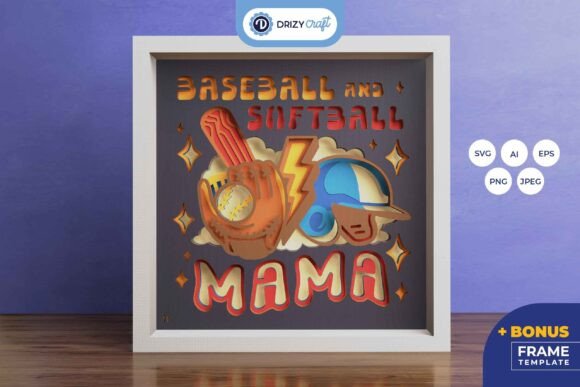
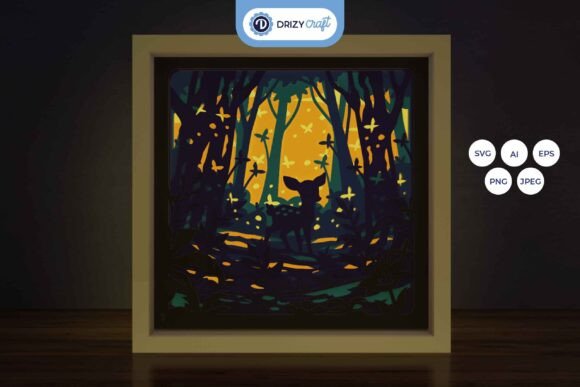
At its core, the Fawn on Spring Forest 3D Shadow Box operates on the principle of parallax and layering. Unlike traditional wall art where all visual elements exist on a single plane, this template utilizes seven distinct layers. When assembled with proper spacing, these layers create an illusion of depth, allowing the viewer's eye to travel through the scene—from the foreground foliage to the distant forest background. The subject matter, a fawn situated in a spring setting, relies heavily on this depth to convey the softness and tranquility of the environment.
The technical specifications of the template are designed for precision. The standard dimensions provided are 20.32 cm by 20.32 cm (approximately 8 inches by 8 inches), which fits neatly into standard square frames. However, the true utility lies in the file formats included: AI, EPS, PNG, SVG, and JPEG. The inclusion of vector-based files like SVG and EPS is critical for users who intend to scale the design. While the base size is fixed at 714 x 714 pixels for the raster previews, the vector files allow for resizing without the loss of quality, provided the aspect ratio remains constant. This flexibility is a key differentiator when comparing this template to static printables that cannot be easily adapted to non-standard frame sizes.
Tool Requirements: Digital Cutting vs. Manual Precision
One of the primary decision factors for potential buyers is the method of production. The Fawn on Spring Forest 3D Shadow Box template is optimized for modern crafting ecosystems but remains accessible to those relying on traditional tools. For enthusiasts equipped with electronic cutting machines such as Silhouette or Cricut, the included SVG file streamlines the process. These machines can interpret the vector data to cut intricate details—such as the delicate antlers of the fawn or the fine leaves of the spring forest—with high accuracy and speed. This approach minimizes human error and ensures that the alignment of the seven layers is consistent across the entire set.
However, the absence of a cutting machine does not preclude the creation of this artwork. The template can also be executed using an art knife and scissors. This manual approach requires a higher degree of patience and steady hands, particularly when navigating the inner curves of the design. While manual cutting offers a more tactile connection to the craft, it introduces variables regarding edge smoothness and symmetry. Creators must weigh the time investment against the desired finish. If the goal is a museum-quality presentation with perfectly crisp edges, a digital cutter is the superior choice. Conversely, if the project is intended as a therapeutic activity or a gift where minor imperfections add charm, the manual method is entirely viable.
Aesthetic Versatility: Framed Decor versus Lightbox Installation
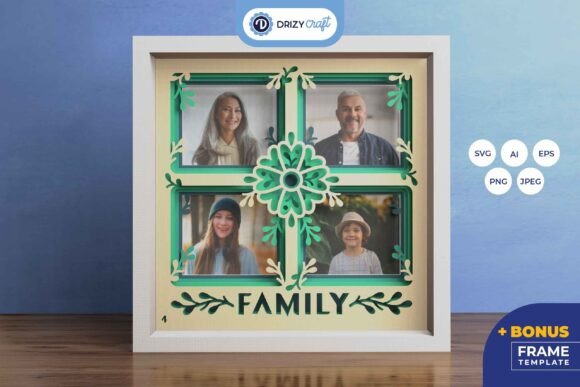
The versatility of the Fawn on Spring Forest 3D Shadow Box extends beyond the assembly process into its final application. The seven-layer structure allows for two distinct presentation styles, each offering a unique atmospheric effect. The first option is the traditional framed wall decoration. In this configuration, the layers are glued or taped at intervals to create physical depth. When viewed under ambient room lighting, the shadows cast by the upper layers onto the lower ones enhance the perception of distance, making the fawn appear to stand within a real forest rather than on a flat surface.
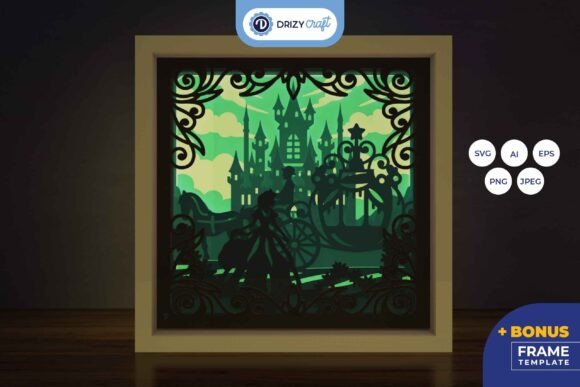
The second, and perhaps more striking, option is the transformation into a light box. By integrating LED strips between the layers or behind the backmost layer, the artwork becomes illuminated from within. This technique fundamentally alters the mood of the piece. The light filters through the paper, highlighting the translucency of the material and creating a glowing, ethereal effect that mimics sunlight filtering through a canopy. This is particularly effective for the "Spring Forest" theme, evoking the feeling of a dawn breaking over the woods. However, this approach requires additional materials—specifically battery-operated or plug-in LED strips—and a power source management plan, adding complexity to the project compared to a simple frame.
Comparative Analysis: When to Choose This Template
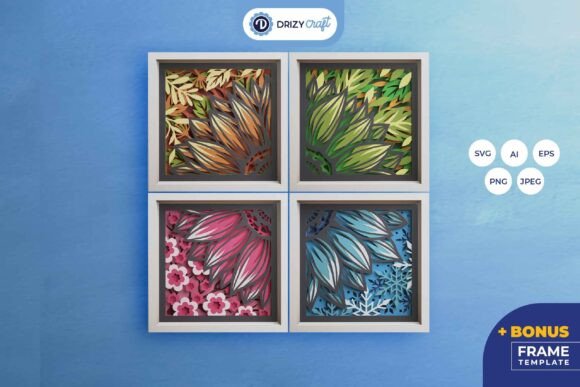
When evaluating the Fawn on Spring Forest 3D Shadow Box against other home decor options, several trade-offs become apparent. Compared to buying a pre-made shadow box from a retailer, this template offers significant cost savings and customization potential. Retail versions often come in fixed colors and limited designs, whereas this template allows the creator to select the paper stock. The choice of paper color is crucial; while the preview images suggest specific tones, the final product's appearance will vary based on the actual paper used. Using textured cardstock can add realism to the bark and fur, while smooth matte paper might better suit the delicate flowers.
Furthermore, when compared to other DIY projects like cross-stitch or painting, the 3D shadow box offers a faster turnaround time once the cutting phase is complete. It bridges the gap between high-effort crafts and instant gratification. However, it is not without limitations. The reliance on precise alignment means that errors in gluing can ruin the depth effect, requiring a restart of specific layers. Additionally, the square format may not fit every interior design scheme, particularly those dominated by rectangular furniture or architectural features.
This template is best suited for individuals who value the process of creation as much as the result. It is an ideal choice for those looking for a meaningful gift that demonstrates effort and thoughtfulness. The ability to personalize the paper colors or add custom touches makes it more intimate than a store-bought item. On the other hand, for someone seeking a quick, low-maintenance decor solution with zero assembly risk, a ready-made canvas print or framed poster might be a more practical alternative.
Practical Considerations for Assembly and Longevity
Successful execution of the Fawn on Spring Forest 3D Shadow Box hinges on attention to detail during the assembly phase. The use of glue or double-sided tape is recommended to secure the layers. Double-sided tape is often preferred for shadow boxes because it provides a clean, invisible bond that maintains the floating illusion better than liquid glue, which can cause warping or visible residue. Creators should ensure that the adhesive is applied sparingly to prevent the layers from sticking together unintentionally.
It is also important to manage expectations regarding the final color output. As noted in the product specifications, the preview images are for reference only. Lighting conditions in the user's home and the specific batch of paper purchased will influence the final hue. A warm-toned paper might make the forest look autumnal despite the spring theme, while cool-toned paper could give it a misty, early morning feel. This variability is a feature of handmade goods, allowing for personal interpretation, but it requires the creator to test small swatches before committing to the full seven layers.
Conclusion: Making an Informed Choice
The Fawn on Spring Forest 3D Shadow Box represents a compelling intersection of digital design and traditional craftsmanship. Its seven-layer architecture, combined with flexible file formats, offers a robust platform for creating sophisticated home decor. Whether utilized as a silent, shadow-play wall hanging or an illuminated focal point, the design delivers a level of visual interest that flat art cannot match. However, it demands a commitment of time, patience, and a willingness to engage with the nuances of paper crafting.
For the discerning creator who enjoys the challenge of bringing a digital concept to life, this template provides the necessary tools and structural integrity to succeed. It is particularly well-suited for those seeking a personalized gift or a unique addition to a nature-inspired interior. Yet, for those prioritizing speed or lacking the confidence to handle multi-step assembly, exploring simpler alternatives may be prudent. Ultimately, the decision rests on balancing the desire for a bespoke, high-impact visual statement against the resources and skills available to bring it to fruition.