3D Lantern Ornament Laser Cut: A Practical Evaluation
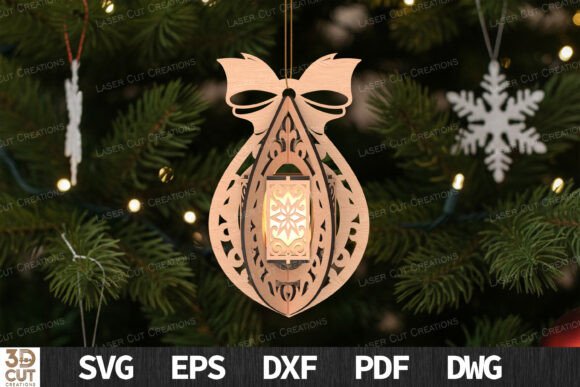
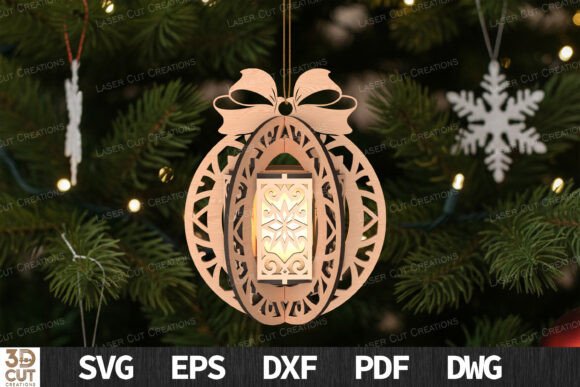
The 3D Lantern Ornament Laser Cut represents a specific category of digital design files intended for physical fabrication using laser cutting technology. Unlike traditional two-dimensional cutouts, these designs utilize a layered approach to create depth and dimension. The concept involves a series of vector layers that, when cut from sheet material and assembled via slot-fit joints, form a three-dimensional structure resembling a lantern. This format is particularly popular in the realm of holiday décor, specifically for Christmas trees and home interiors, offering a blend of traditional craftsmanship and modern digital manufacturing.
For makers, hobbyists, and small business owners, understanding the mechanics and implications of this design style is crucial before committing time and resources. This evaluation explores the functionality, material requirements, and practical applications of the 3D Lantern Ornament Laser Cut to assist readers in determining if it aligns with their specific project goals.
Understanding the Design Structure
At its core, a 3D Lantern Ornament Laser Cut file consists of high-resolution vector lines organized into distinct layers. These layers typically include an outer shell, an inner lantern framework, and sometimes decorative intermediate elements. The design relies on precision; the slots where pieces interlock must be calculated to fit the specific thickness of the material being used, commonly 3mm plywood, MDF, or acrylic.
The assembly process is mechanical rather than adhesive-heavy. Once the parts are cut, they slide together to form a stable structure. This slot-fit mechanism allows for rapid prototyping and production without the need for complex glue joints, which can warp thin materials or leave visible residue. The result is a multi-layer hanging ornament that captures light effectively due to the gaps between the layers, creating a glowing effect when illuminated from within.
Reasons for Interest and Application
Interest in the 3D Lantern Ornament Laser Cut often stems from a desire to create unique, high-quality holiday decorations that stand out from mass-produced items. Several factors drive this interest:
- Customization Potential: Users can modify colors by selecting different materials, such as natural wood for a rustic look or colored acrylic for a vibrant aesthetic.
- Scalability: For craft fair vendors, the ability to produce consistent, identical ornaments quickly makes this design commercially viable.
- Aesthetic Depth: The layered construction provides a visual complexity that flat cutouts cannot achieve, adding a premium feel to home décor.
- Compatibility: The files are designed to work with a wide range of consumer and industrial laser machines, including Glowforge, xTool, OmTech, and Thunder Laser systems.
These ornaments serve dual purposes as both functional lighting fixtures (when paired with LED tea lights) and structural decorations. They are particularly effective on Christmas trees where the interplay of light through the wooden or acrylic layers enhances the overall ambiance.
Benefits and Tradeoffs
Evaluating the 3D Lantern Ornament Laser Cut requires weighing its advantages against inherent limitations. One primary benefit is the efficiency of the workflow. High-quality vector files eliminate the need for manual drafting, allowing users to move directly to the cutting phase. The clean, detailed lines ensure that the final product maintains sharp edges and precise geometry, provided the machine is calibrated correctly.
However, there are tradeoffs to consider. The reliance on slot-fit assembly means that the design is sensitive to material variance. If the plywood or MDF is slightly thicker or thinner than the standard 3mm assumed by the file, the joints may be too loose or impossible to assemble. Users must either adjust the file parameters to match their specific material batch or accept a margin of error. Additionally, while the design is robust, it is not indestructible; the thin nature of the laser-cut strips makes them susceptible to snapping if handled roughly during assembly or shipping.
Another consideration is the learning curve associated with layer management. Unlike a single-layer cut, this project requires organizing multiple sheets of material or carefully nesting layers to ensure alignment. Misalignment during the cutting process can lead to mismatched slots, rendering the ornament unusable.
Situations Where It Is a Strong Fit
The 3D Lantern Ornament Laser Cut is an excellent choice for several specific scenarios. First, it is ideal for individuals who own or have access to CO₂ or diode laser machines and wish to maximize their output for the holiday season. The design leverages the strengths of laser cutting—precision and speed—to produce items that would be labor-intensive to craft by hand.
It is also a strong fit for small businesses looking to diversify their inventory with handmade goods. Because the files are ready to cut, production time is minimized, allowing for higher volume sales at craft fairs or online marketplaces. The versatility of the design allows sellers to offer variations based on material choice, catering to different customer preferences without altering the fundamental design file.
Furthermore, this project suits DIY enthusiasts seeking a moderate challenge. It offers a satisfying assembly process that results in a tangible, high-value object. For those interested in upcycling or sustainable crafting, using scrap wood or leftover acrylic sheets to create these ornaments reduces waste while producing beautiful décor.
When Alternatives May Be Worth Considering
Despite its advantages, the 3D Lantern Ornament Laser Cut may not be the optimal solution for every user. If a maker does not possess a laser cutter and lacks the budget to acquire one, purchasing pre-made ornaments or exploring alternative crafting methods like woodworking with saws or paper folding might be more practical. The cost of entry for laser equipment can be prohibitive for casual crafters.
Additionally, for projects requiring extreme durability or outdoor use, this design may fall short. Plywood and MDF are not weather-resistant, and even acrylic can become brittle in freezing temperatures. In situations where ornaments need to withstand harsh conditions, metal or solid resin alternatives would be superior.
Users who prefer a purely analog experience or wish to avoid digital tools entirely should also consider other options. While the assembly is simple, the initial creation of the parts is entirely dependent on digital fabrication. Those seeking a project that involves carving, painting, or molding by hand might find the laser-cut process less engaging.
Practical Decision-Making Insights
To determine if the 3D Lantern Ornament Laser Cut aligns with your goals, consider the following criteria:
- Material Availability: Do you have access to 3mm plywood, MDF, or acrylic? If your local supplier only stocks 4mm or 5mm materials, you will need to invest time in modifying the vector file.
- Machine Capability: Ensure your laser machine can handle the required detail level. Diode lasers may require longer exposure times for thicker materials compared to CO₂ lasers, affecting production speed.
- Time Commitment: Factor in not just the cutting time, but the assembly time. While slot-fit is faster than gluing, assembling intricate multi-layer structures still requires patience and dexterity.
- End Goal: Are you making these for personal use, gifts, or resale? If resale is the goal, calculate the cost of materials and machine runtime against potential profit margins to ensure viability.
Ultimately, the 3D Lantern Ornament Laser Cut offers a sophisticated way to create holiday décor that bridges the gap between digital design and physical craft. By understanding the technical requirements and managing expectations regarding material consistency, users can successfully integrate these ornaments into their creative workflows. Whether for a personal tree or a commercial venture, the decision to pursue this project should be grounded in an assessment of available resources and desired outcomes.