3D Family Recipe Box Laser Cut: A Digital Blueprint for Preserving Memories
Creating a tangible heirloom from digital files is one of the most rewarding projects in modern crafting. The 3D Family Recipe Box Laser Cut design offers a unique opportunity to transform cherished family recipes into a functional, beautiful storage solution. However, before you add this item to your cart, it is crucial to understand exactly what you are purchasing. This is not a physical box waiting at a warehouse; it is a digital file package designed for creators who own or have access to laser cutting equipment.
Many buyers arrive expecting a ready-made product, only to be confused when they receive a download link instead of a shipping confirmation. This misunderstanding can lead to frustration and wasted time. By clarifying the nature of this digital product now, we can ensure your project starts on the right foot. Whether you are a seasoned entrepreneur looking to expand your Etsy shop or a hobbyist wanting to craft a gift for a loved one, understanding the workflow behind a 3D Family Recipe Box Laser Cut design is essential for success.
Understanding the Digital Nature of the Product
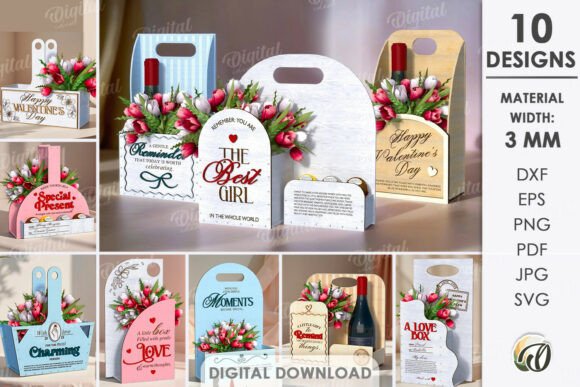
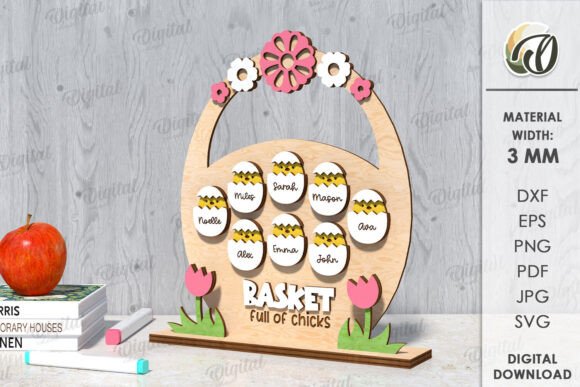
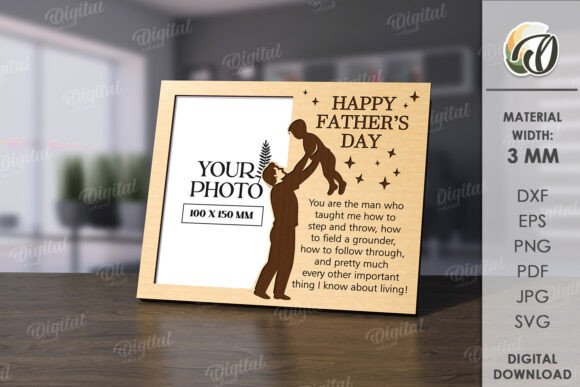
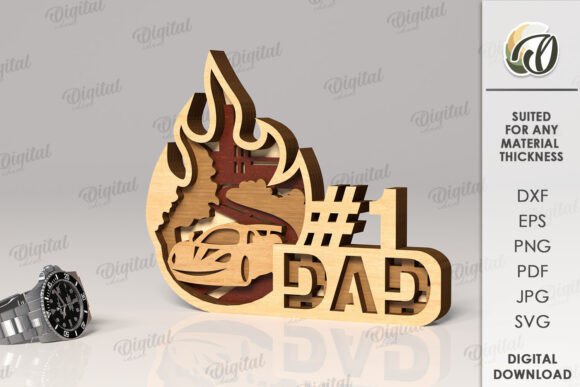
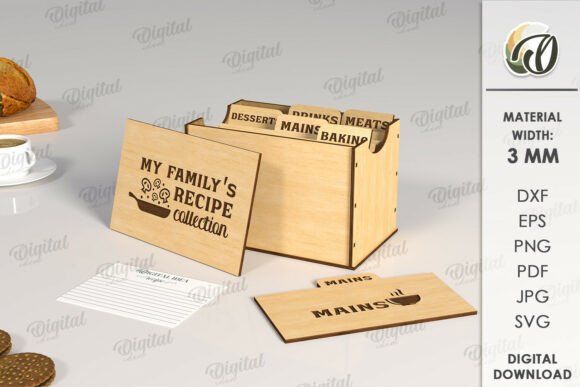
The primary misconception surrounding this type of purchase is the expectation of physical goods. When you buy the 3D Family Recipe Box Laser Cut file, you are acquiring a set of vector instructions. These instructions tell a laser cutter how to cut, engrave, and score specific materials to assemble the final box. The photos you see in the listing serve strictly as inspiration, showing you what is possible when the design is executed correctly with high-quality materials.
This distinction matters because it shifts the responsibility of production to you. You will receive a zip folder containing the design in multiple formats: SVG, DXF, EPS, PDF, JPEG, and PNG. Each format serves a specific purpose in the creation process. For instance, SVG and DXF files are the workhorses for laser cutting software, while PNG and JPEG are useful for mockups or sharing on social media. If you do not have a laser cutter, buying this file will not result in a finished box unless you partner with a local maker space or a print-on-demand service that accepts custom vector files.
Common Pitfalls in File Selection and Software Compatibility
Even among experienced makers, mistakes happen when transitioning from digital download to physical creation. One frequent error involves selecting the wrong file format for the specific software being used. Not all laser cutting machines speak the same language. Some older models rely heavily on DXF files, while newer systems might prefer SVG or even proprietary formats.
If you attempt to open an EPS file in software that does not support it, you may find the design corrupted or uneditable. This can ruin the precision required for a 3D assembly where tabs and slots must fit perfectly. To avoid this, check your machine's specifications before downloading. Ensure your software can read the provided formats without needing complex conversion tools that might alter the geometry of the design.
Another overlooked detail is the scale of the design. Vector files are scalable, but material thickness dictates the final dimensions. A common mistake is ignoring the kerf—the width of the material removed by the laser beam. If you cut a design intended for 3mm acrylic using settings for 6mm wood, the tabs may be too loose or too tight to assemble. Always test cut a small section of your chosen material first. This simple step prevents wasting expensive sheets of wood or acrylic on a full-sized prototype that fails to snap together.
Material Choices and Their Impact on Quality
The visual appeal of your 3D Family Recipe Box Laser Cut project depends heavily on the material you choose. While the digital file remains constant, the physical output varies wildly based on substrate. Beginners often default to standard plywood, which is affordable but can burn easily if power settings are too high. This charring can obscure intricate details like engraved recipe text or decorative patterns.
A better approach is to consider materials like birch plywood for a clean, light finish, or acrylic for a modern, translucent look. If you choose to use acrylic, remember that it requires different cutting speeds and power levels compared to wood. Using wood settings on acrylic can melt the edges rather than cutting them cleanly, ruining the structural integrity of the box.
Furthermore, think about the longevity of the project. If the box is intended to hold oil-stained recipe cards or sit in a humid kitchen, untreated softwood might warp over time. Sealing the wood with a food-safe varnish or choosing a naturally durable hardwood can significantly extend the life of your creation. These decisions affect not just the immediate satisfaction of the build but also the long-term utility of the item.
Maximizing Value for Creators and Small Business Owners
For entrepreneurs and small business owners, the 3D Family Recipe Box Laser Cut design represents more than a single craft project; it is a potential product line. However, treating it as such requires attention to licensing and scalability. Before launching a product based on this design, verify the license terms included with your purchase. Most digital downloads allow for personal use or limited commercial sales, but some restrictions may apply regarding reselling the raw files themselves.
Efficiency is another key factor. If you plan to produce these boxes in bulk, optimizing your nesting layout is critical. Poor nesting leads to excessive material waste, driving up your cost per unit. Use your design software to arrange the parts tightly on the material sheet. This practice ensures you get the maximum number of boxes from each sheet of wood or acrylic, directly impacting your profit margins.
Additionally, consider the presentation. Since this is a DIY-friendly design, offering clear assembly instructions alongside your finished product can increase its perceived value. Customers appreciate knowing how to care for their items or how to customize the interior dividers. Providing a small card with care tips or a QR code linking to a video tutorial can differentiate your brand from competitors who simply sell the box without context.
Steps to Ensure a Successful Project
To get the best results from your 3D Family Recipe Box Laser Cut download, follow a structured preparation process. First, confirm you have the necessary hardware and software. Second, review all file formats included in the zip folder to select the one best suited for your workflow. Third, perform a test cut on scrap material to fine-tune your power and speed settings.
Finally, keep communication open. If you encounter issues during the download or have questions about the design specifications, reach out to the seller immediately. Most creators are eager to help ensure their customers succeed. By taking these proactive steps, you avoid the common traps of digital crafting and move straight to the creative phase.
Remember, the possibilities for creation are endless. Once you master the basics of this design, you can experiment with different finishes, add personalized engravings, or modify the internal structure to suit specific needs. Whether for your own home office or as a unique gift, a well-executed 3D Family Recipe Box Laser Cut project is a testament to the blend of traditional craftsmanship and modern technology.