3D Christmas Tree Cakes Tumbler Wraps: A Practical Guide for Creators
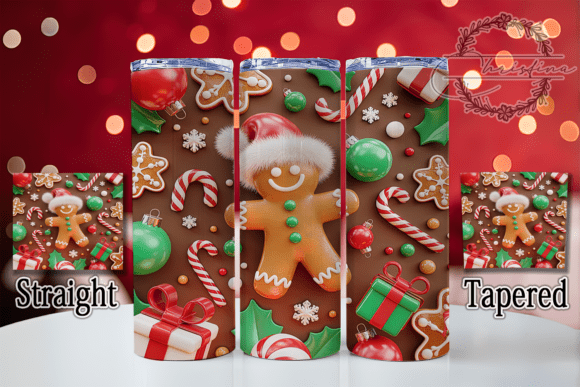
In the competitive landscape of seasonal craft businesses, the quality and versatility of your digital assets often determine the success of a product line. For entrepreneurs and hobbyists focusing on sublimation printing, 3D Christmas Tree Cakes Tumbler Wraps represent a specific category of design that merges festive aesthetics with functional utility. These digital files are not merely decorative images; they are engineered components designed to fit precisely onto 20oz skinny tumblers, transforming standard drinkware into personalized holiday gifts or retail inventory. Understanding how to integrate these assets into a broader production workflow is essential for maintaining efficiency, ensuring print quality, and maximizing the return on investment for small business owners.
Understanding the Asset Specifications and Workflow Integration
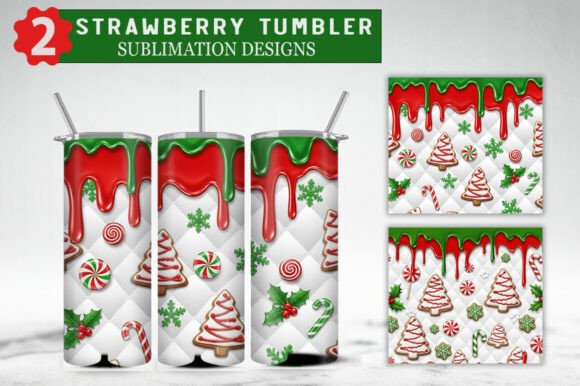
Before initiating any print run, it is critical to understand the technical specifications of the digital file you are working with. The 3D Christmas Tree Cakes Tumbler Wraps package typically includes high-resolution PNG files featuring a transparent background. This transparency is a foundational element in the sublimation process, allowing the design to sit cleanly over the white substrate of the tumbler without requiring manual masking or background removal. The dimensions are standardized at 9.3 inches by 8.2 inches, which aligns perfectly with the circumference and height of a standard 20oz skinny tumbler. Furthermore, the resolution is set at 300 DPI (dots per inch), a non-negotiable standard for professional-grade printing.
Integrating these files into your workflow begins with proper organization. Because these are instant download digital files, they arrive as compressed archives. Upon extraction, creators should immediately verify the file integrity. Ensure that the PNG files open correctly in your preferred graphic design software, such as Photoshop, Illustrator, or specialized sublimation layout tools like Canva or Silhouette Studio. Since these are raster-based PNG files and not vector formats, scaling them beyond their original dimensions will result in pixelation. Therefore, the workflow must respect the fixed size constraints. If a project requires a different tumbler size, the user must adjust the canvas rather than stretching the image, or select a different asset entirely. This distinction between raster and vector is a crucial decision point in the planning phase of any sublimation project.
Pre-Production Planning and Design Customization
The period before printing is where the most value can be added to the base asset. While the 3D Christmas Tree Cakes Tumbler Wraps provide a complete visual theme, many professionals choose to customize them to create unique branding or personalized gifts. Because the background is transparent, these designs can be layered with other elements. For instance, a business owner might add a custom logo to the bottom corner, or an individual creator might insert a family name above the cake motif using a complementary font.
When preparing the file for the printer, the interaction between the design software and the physical hardware must be managed carefully. The 300 DPI resolution ensures that fine details in the 3D cake texture and the Christmas tree foliage remain sharp after transfer. However, color management is equally important. Sublimation printers often require specific color profiles to ensure the reds, greens, and golds of the holiday design translate accurately from screen to paper. It is advisable to perform a test print on plain paper first, aligning it over the tumbler to check for sizing discrepancies. This step prevents wasted ink and heat press time, serving as a vital quality control checkpoint before committing to a full batch production run.
Execution: Printing and Heat Transfer Techniques
Once the design is finalized and printed onto sublimation paper, the execution phase involves precise alignment and heat application. The 3D Christmas Tree Cakes Tumbler Wraps are designed to wrap around the cylindrical surface of the tumbler. During this stage, the orientation of the design matters significantly. Since the file is 9.3 inches wide, it covers the majority of the tumbler's surface area. Users must ensure the image is mirrored before printing if the software does not do so automatically, as sublimation reverses the image during the transfer process.
The physical application requires a heat press capable of handling cylindrical objects. The temperature, pressure, and time settings must be calibrated according to the manufacturer's guidelines for the specific tumbler material. Typically, this involves temperatures around 385°F to 400°F for approximately four to six minutes. During this process, the sublimation ink turns into a gas and bonds with the polymer coating of the tumbler. The high resolution of the PNG files ensures that even complex gradients in the 3D cake rendering do not blur under heat. After the cycle completes, the tumbler must be cooled down gradually to prevent thermal shock, which could warp the plastic or affect the adhesion of the design. This cooling period is a passive but necessary part of the workflow that ensures the longevity of the final product.
Post-Production Quality Control and Inventory Management
After the heat transfer is complete, the focus shifts to quality assurance and inventory organization. Inspect each finished tumbler for any air bubbles, misalignment, or color fading. The 3D Christmas Tree Cakes Tumbler Wraps are intended to produce a vibrant, durable finish, but inconsistencies in the heat press or the quality of the sublimation paper can compromise the outcome. Any defective units should be identified immediately to maintain brand reputation, especially if these items are destined for retail sale.
For small business owners, managing the digital library of these assets is just as important as the physical products. Since the purchase includes an instant download of digital files only, there is no physical inventory of the designs themselves. This allows for infinite reproduction without additional licensing fees, provided the usage rights permit commercial use. Organizing these files within a cloud storage system or a local server, categorized by season, style, and tumbler size, streamlines future production runs. When the next holiday season approaches, having the 3D Christmas Tree Cakes Tumbler Wraps readily accessible allows for rapid reordering of materials and quick turnaround times for customer requests.
Strategic Applications and Business Use Cases
The versatility of these wraps extends beyond simple gift-giving. They serve as effective tools for various business strategies. Corporate clients often seek branded merchandise for holiday parties; offering a customized version of the 3D Christmas Tree Cakes Tumbler Wraps with company logos can be a lucrative B2B service. Similarly, event planners may use these designs for wedding favors or holiday gatherings, requiring bulk orders with consistent quality. The ability to personalize these items makes them highly marketable in the current economy, where consumers value unique, handcrafted goods over mass-produced alternatives.
Furthermore, these assets can be integrated into educational workshops or crafting communities. Instructors teaching sublimation techniques can use the 3D Christmas Tree Cakes Tumbler Wraps as a case study for proper file preparation, color management, and heat pressing. By demonstrating the successful application of a pre-made high-resolution PNG, educators can help students understand the importance of DPI and transparent backgrounds without the overhead of creating a design from scratch. This educational angle adds another layer of utility to the digital product, expanding its reach beyond direct manufacturing.
Long-Term Viability and Technical Considerations
As technology evolves, the demand for high-quality digital assets remains constant. However, creators must remain aware of the limitations inherent in PNG files. Unlike vector graphics, which can be scaled infinitely without loss of quality, PNGs are resolution-dependent. This means that while the 9.3” x 8.2” size is perfect for 20oz skinny tumblers, attempting to use the same file for a larger mug or a flat sheet would result in poor image quality. Strategic planning involves matching the asset to the correct substrate. For long-term use, it is beneficial to maintain a catalog of compatible tumbler sizes and corresponding file dimensions to avoid compatibility issues.
Additionally, the durability of the sublimated design depends on the care instructions provided to the end-user. While the 3D Christmas Tree Cakes Tumbler Wraps are designed to be dishwasher safe when properly applied, advising customers to hand wash or use the top rack of the dishwasher can extend the life of the product. Including clear care instructions with the final product enhances customer satisfaction and reduces returns. This attention to detail in the post-purchase experience is a key component of building a sustainable craft business.
Conclusion on Implementation
The integration of 3D Christmas Tree Cakes Tumbler Wraps into a creative or commercial workflow offers a streamlined path to producing high-quality, festive drinkware. By understanding the technical specifications, respecting the limitations of raster files, and adhering to strict quality control measures, creators can maximize the potential of these digital assets. Whether used for personal projects, small business inventory, or educational demonstrations, these wraps provide a reliable foundation for successful sublimation outcomes. The key lies in treating the digital file not just as an image, but as a precise tool within a larger manufacturing process, ensuring that every step from download to delivery is executed with professionalism and care.